A 4-point inspection covers four systems of an older home: roof, electrical, HVAC and plumbing. Insurers often request one on a house of a certain age before they will write or renew a policy. The plumbing section is the part homeowners worry about most, because it is the one with a possible dollar figure attached. Here is what that section looks at on a typical 1960s house in Temple Terrace and how to get ready.
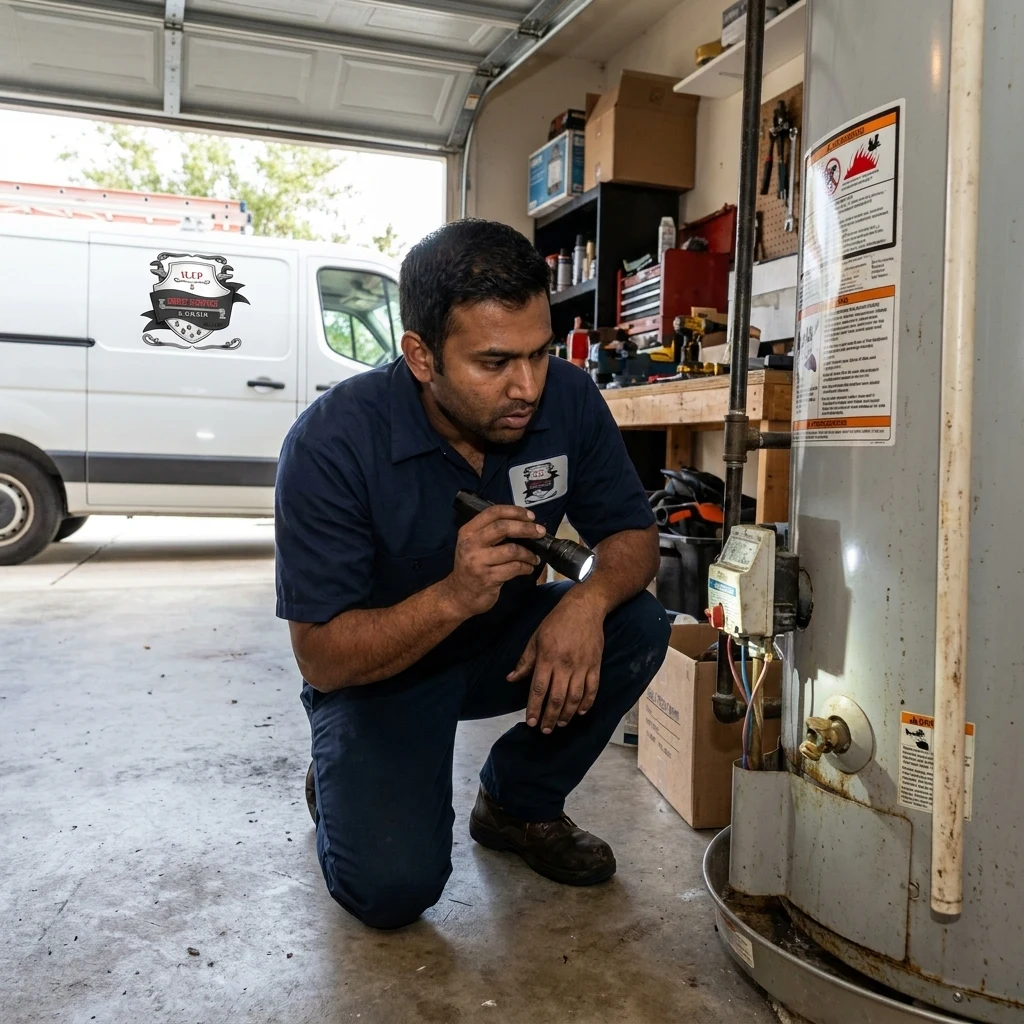
What the Plumbing Section Records
The form asks for the pipe type, such as copper, PVC or CPVC, galvanized, PEX or polybutylene. It records the age and condition of the water heater, and it notes visible leaks and active moisture. Secondary summaries of the form differ in the details, so ask the person doing yours to show you the current version.
One published example: Citizens Property Insurance treats new-business homes more than 20 years old with polybutylene plumbing as ineligible, effective February 1, 2022. That is Citizens' rule; other insurers set their own, and we are not going to state an age cutoff we cannot source. Ask your agent which pipe types and heater ages the carrier will accept.
Why Temple Terrace Homes Draw Attention
The ACS count for the city is about 12,000 housing units with a median build year of 1982, and about 43.5% were built before 1980. Median years for the Estates plat and the Riverside plat are 1963 and 1956. Homes built between 1978 and 1995 overlap the window when polybutylene was sold, and the 1950s and 1960s plats are more likely to still have original supply or drain lines. None of that tells you what is in a given house; the form and a visual check do.
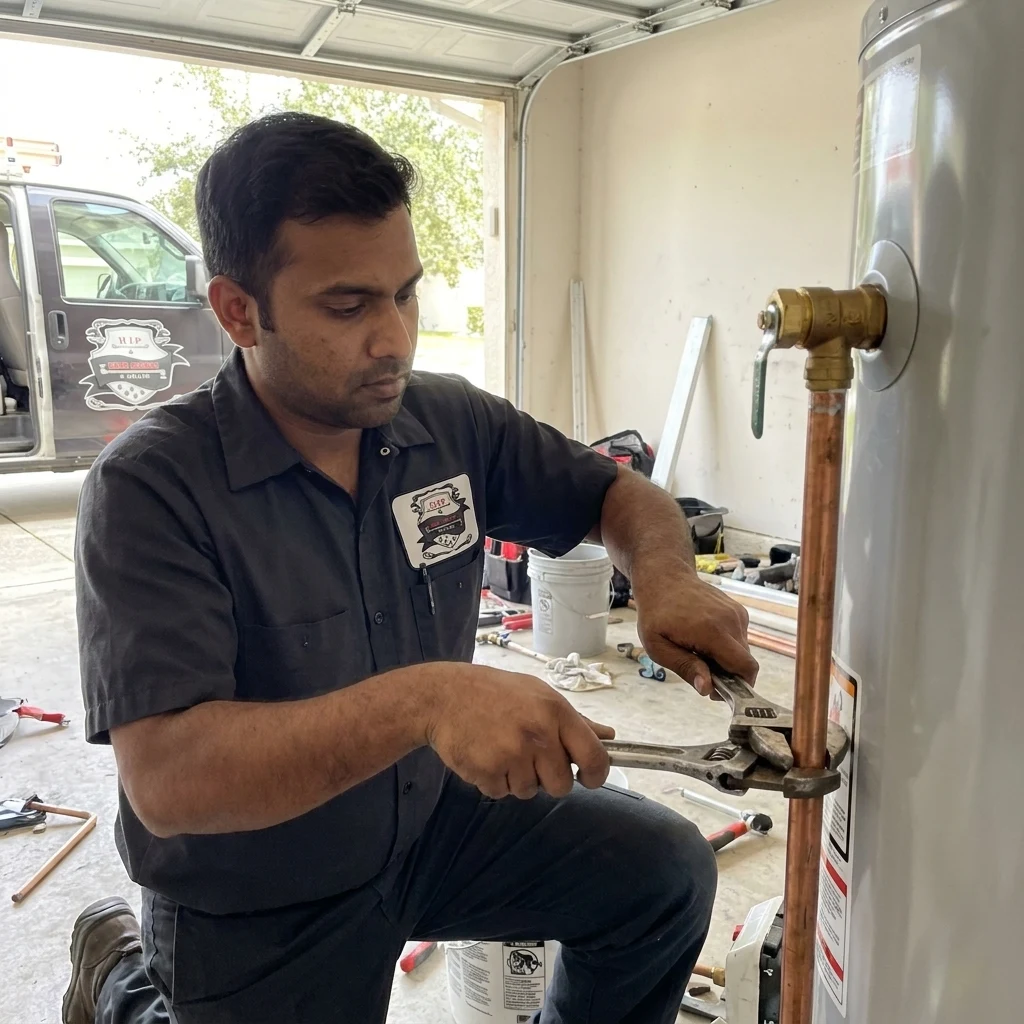
How to Tell What Pipe You Have
- Copper: orange-brown metal, found at the water heater connections and under sinks.
- CPVC: cream or light yellow plastic.
- PEX: flexible tubing, often red, blue or white, common in repipes.
- Polybutylene: flexible gray plastic pipe, sometimes with plastic fittings.
- Galvanized: gray, threaded steel, mostly in houses built before about 1950.
Check where the pipes enter the water heater and under the kitchen sink. If you are unsure, send photos. On copper, green or white crusting at a joint and tiny weeping spots are the kind of visible item an inspector writes down, so look at fittings under the sinks and around the heater with a flashlight before the visit.
What to Fix Before the Inspector Arrives
- Drips and stains. A wet cabinet, a dripping angle stop or a stained ceiling gets written down. Standard repairs run $125–$350 in plumbing repairs.
- The water heater. Make sure the relief valve discharge pipe is in place and that nothing is leaking or rusting at the fittings. A heater with a leaking tank is a replacement, $1,200–$2,500 installed. See water heater repair and replacement.
- Shutoffs. A shutoff valve that does not turn is something to replace before it is tested.
- Unexplained moisture. If you see damp spots with no source, leak detection at $200–$450 locates it.
Reading the Water Heater Label
Heater age is the number most people guess wrong. Most manufacturers encode the manufacture date in the serial number, and the format differs from brand to brand, so the digits are not always a simple year. Send us a photo of the label and we will read it for you. Do the same for the relief valve and its discharge pipe: a missing or crusted discharge pipe is a visible item worth fixing before anyone writes it down. The flush and anode checks in the water report post keep an older tank in decent shape.
Repipe Only With Evidence
A failed 4-point plumbing section does not automatically mean a repipe. We recommend repiping only with evidence: pinholes in several spots, polybutylene with plastic fittings, or galvanized pipe causing whole-house pressure loss. A single failed joint is a repair. Whole-house PEX repipes run $4,500–$12,000, and anything over about $1,500 is worth a second quote. Our older homes guide compares repair and repiping, and Temple Terrace Estates homes are the typical case.
Inspection coming up?
Call before the inspector does. A plumber's walk-through finds the drips and shutoffs worth fixing while there is still time to fix them.
CALL 813-733-71884-Point Plumbing Questions
It records the pipe material, the age and condition of the water heater, and any visible leaks or moisture. Details vary by form version, so ask the inspector or your agent for the current one before the visit.
Insurers treat it as a concern. Citizens, for example, treats new-business homes over 20 years old with polybutylene plumbing as ineligible, effective February 1, 2022. Other carriers have their own rules, so ask your agent.
Not automatically. Repiping makes sense with evidence like multiple pinholes, polybutylene or galvanized pipe with pressure loss. Plenty of older houses pass with a few repairs and a newer water heater.
The form records the heater's age, but sources differ on cutoffs and each insurer sets its own. We will not state one. Ask your carrier, and plan on replacing a leaking tank regardless.